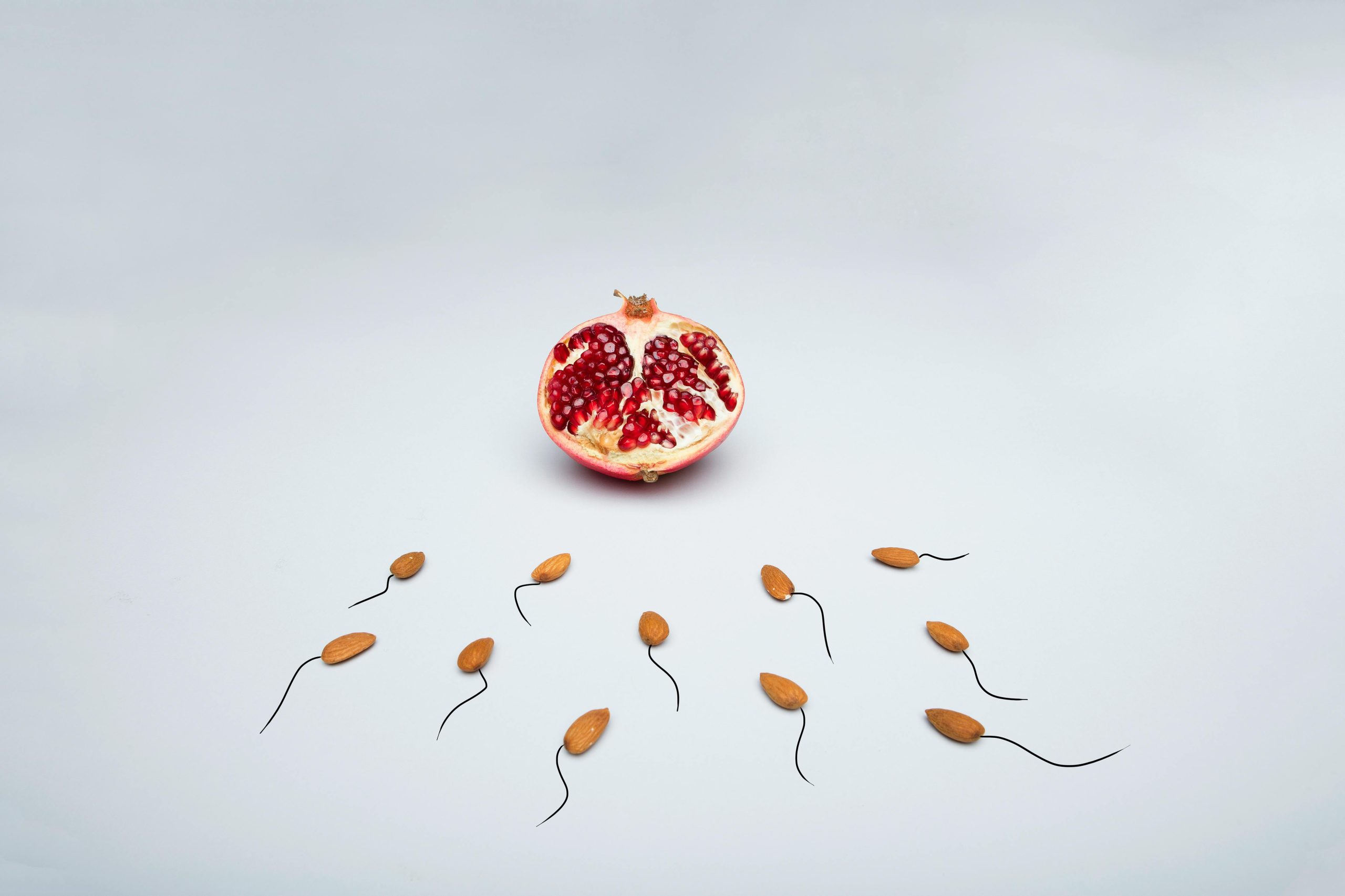
In recent years, AMH (Anti-Müllerian Hormone) has become a buzzword in fertility discussions. For many women trying to conceive—whether naturally or via IVF—seeing a low AMH level on a blood test can feel discouraging, even frightening.
But from the perspective of Traditional Chinese Medicine (TCM), AMH is not a fixed fate—it’s simply one part of a broader picture.
???? What Is AMH?
Anti-Müllerian Hormone (AMH) is a hormone secreted by ovarian follicles and is used in Western medicine to estimate a woman’s ovarian reserve—the number of eggs remaining in her ovaries.
A high AMH level generally means a greater number of remaining eggs.
A low AMH may suggest a diminished egg reserve.
Reference AMH Levels (General Guide)
(Note: units may vary between ng/mL and pmol/L depending on the lab.)
| AMH Level (ng/mL) | Interpretation |
|---|---|
| 3.0 – 5.0+ | High (possible PCOS) |
| 1.0 – 3.0 | Normal reproductive range |
| 0.7 – 1.0 | Low-normal |
| Below 0.7 | Low ovarian reserve |
| Below 0.3 | Very low / poor response |
However, it’s crucial to note that AMH does not reflect egg quality, nor does it definitively predict your ability to conceive.
TCM Perspective on AMH
In Chinese medicine, we don’t have the term “AMH”, but we have centuries-old concepts that align closely with ovarian function.
Low AMH often corresponds to what we call:
Kidney Jing (Essence) deficiency
Blood and Qi deficiency
Liver Qi stagnation (if stress and emotional burden are high)
Spleen weakness with Dampness (in cases of fatigue, bloating, or poor digestion)
Instead of focusing on a single hormone level, TCM looks at the overall harmony of your body—especially the health of your Kidney system, which governs reproduction and aging.
How We help Low AMH in TCM
TCM treatment is highly individualised and based on your complete pattern of signs and symptoms. However, common approaches include:
1. Tonifying the Kidneys
To support egg development and hormonal regulation.
Herbs often include: Shu Di Huang (Rehmannia), Shan Zhu Yu (Cornus), Tu Si Zi (Dodder Seed).
2. Nourishing Blood and Regulating Menstruation
Especially if your periods are light or irregular.
Herbs may include: Dang Gui, Bai Shao, He Shou Wu.
3. Reducing Stress and Smoothing Liver Qi
To help restore the body’s natural ovulation rhythm.
This often includes acupuncture at points such as LV3, PC6, and SP6.
4. Strengthening the Spleen and Clearing Damp
Especially if digestion is weak or there’s a tendency toward bloating and fatigue.
AMH is not the whole story. It’s a helpful number, but it’s not the final word on your fertility.
In Traditional Chinese Medicine, our goal is to restore balance to the body, regulate the cycle, improve egg quality, and increase your chances of conception—naturally or through assisted reproduction.
If you’ve been told your AMH is too low, don’t give up. Your body has deep wisdom—and with the right support, it can still do amazing things.
Fertility Support in Chatswood Sydney
At our clinic in Chatswood Sydney, we specialize in fertility-focused acupuncture and Chinese herbal medicine, including support for low AMH, irregular periods, PCOS, and IVF preparation.
????⚕️Ready to explore TCM support for low AMH?
Contact us today to book a personalized consultation with our experienced fertility-focused Chinese medicine practitioners in Sydney via 0452 166 965