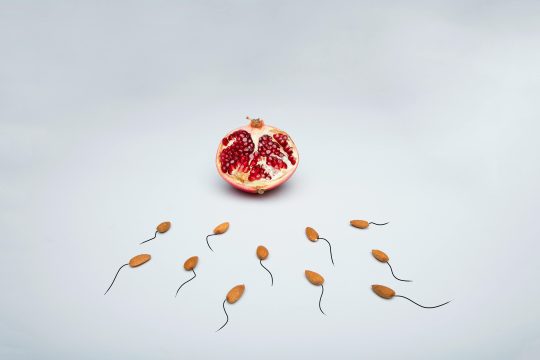
Embryo arrest is a critical issue in reproductive medicine, characterized by the cessation of development in early-stage embryos. This phenomenon can occur naturally or during assisted reproductive procedures like IVF. Traditional Chinese Medicine (TCM) offers a unique perspective on embryo arrest, attributing it to imbalances in the body’s fundamental energies and functions.
Embryo arrest refers to the developmental halt of an embryo before it reaches a viable stage for implantation. This condition is a significant concern in fertility treatments, often leading to unsuccessful pregnancies. Modern medical science identifies several potential causes of embryo arrest, including genetic abnormalities, poor gamete quality, and suboptimal culture conditions. TCM, with its holistic approach, provides an alternative framework for understanding and treating this condition.
Embryo arrest can result from various factors, including:
- Genetic Abnormalities: One of the most common reasons for embryo arrest is chromosomal abnormalities. These genetic issues can prevent the embryo from developing normally.
- Poor Oocyte (Egg) Quality: The quality of the eggs used in fertilization can significantly impact the development of the embryo. Poor egg quality can lead to abnormal development or arrest.
- Sperm Quality: Similar to egg quality, the quality of the sperm also plays a crucial role. Issues like DNA fragmentation in sperm can contribute to embryo arrest.
- Suboptimal Culture Conditions: In IVF, the conditions under which embryos are cultured can impact their development. Factors such as temperature, pH, and nutrient availability in the culture medium are critical.
- Mitochondrial Dysfunction: Mitochondria are the energy-producing components of cells. Dysfunction in mitochondrial activity can lead to insufficient energy production, causing developmental arrest.
- External Factors: Environmental toxins, exposure to harmful chemicals, or certain medications can negatively impact embryo development.
Implications of Embryo Arrest
Embryo arrest is a significant concern in reproductive medicine because it can lead to failed IVF cycles, reducing the chances of achieving a successful pregnancy. Understanding the underlying causes can help in tailoring treatment strategies and improving outcomes.
Management and Prevention
While some causes of embryo arrest, such as genetic abnormalities, may be unavoidable, other factors can be managed or mitigated. Strategies include optimizing egg and sperm quality through lifestyle changes, improving culture conditions in the lab, and using advanced reproductive technologies. Genetic testing, such as preimplantation genetic testing (PGT), can also help identify embryos with a higher likelihood of successful development.
For individuals or couples experiencing repeated embryo arrest, consulting with fertility specialists is crucial to explore potential causes and tailor a personalized treatment plan.
TCM Perspective on Embryo Arrest
Traditional Chinese Medicine views embryo arrest as a result of disharmony within the body’s vital energies—Qi, Blood, Yin, and Yang. According to TCM principles, several key factors may contribute to this condition:
- Kidney Essence Deficiency: The kidneys are believed to store the essence, a vital substance for reproductive health. Deficiency in kidney essence can result in poor reproductive outcomes, including embryo arrest.
- Qi and Blood Deficiency: Adequate Qi (vital energy) and Blood are necessary for nourishing the embryo. Deficiencies in these elements can lead to insufficient support for embryonic growth.
- Liver Qi Stagnation: Emotional stress or liver dysfunction can cause stagnation of Qi, impairing the body’s ability to support a developing embryo.
- Damp-Heat Accumulation: Poor diet and lifestyle may lead to the accumulation of damp-heat, a pathological condition that can disrupt the internal environment, adversely affecting embryo development.
TCM Treatment Approaches
TCM employs a variety of treatment methods to address embryo arrest, focusing on restoring balance and harmony within the body. The main approaches include:
- Herbal Medicine: TCM herbal formulas are tailored to address specific imbalances. For example, formulas may include herbs that nourish the kidneys, boost Qi and Blood, and clear damp-heat. Commonly used herbs include Rehmannia (Shu Di Huang), Goji berries (Gou Qi Zi), and Dang Gui (Angelica Sinensis).
- Acupuncture: This practice involves inserting fine needles into specific points on the body to regulate the flow of Qi and Blood. Acupuncture can help reduce stress, improve circulation, and enhance reproductive organ function.
- Dietary and Lifestyle Modifications: TCM emphasizes the importance of a balanced diet and healthy lifestyle. Patients are advised to consume foods that support kidney and spleen health and to avoid those that generate dampness or heat. Regular exercise, adequate rest, and stress management are also crucial components of TCM therapy.
Embryo arrest is a complex condition with multiple contributing factors. While modern medicine provides detailed insights into its genetic and physiological causes, TCM offers a complementary approach by focusing on restoring holistic balance within the body. Integrating TCM with conventional medical treatments may enhance the overall effectiveness of interventions for embryo arrest, providing a more comprehensive solution for affected individuals. Further research and clinical studies are needed to validate and refine TCM approaches in the context of reproductive medicine.
For detailed information, please contact us on 9904 7915.